

Confused by the S&I Meaning? Learn how these two letters impact old banking, stock market trades, and legal rules so you can handle your cash safely.
The world of finance is completely packed with confusing letters. Bankers talk in a secret code. Lawyers throw out acronyms just to sound smart. They want to save a few seconds of breath. But normal people get left completely in the dark. The S&I Meaning is one of the trickiest codes out there. It never just means one thing.
Those two little letters change completely depending on your location. If you are sitting in a bank manager's office, it means one thing. If you are screaming at a computer screen full of stock charts, it means something else. You need to know this stuff. Ignorance in the money game will cost you serious cash. Let us rip away the confusion. We will look at what these letters actually mean in the real world.
Old School Banking With Savings And Loan Groups
Let us start with the most famous use of these letters. In the banking world, it stands for Savings and Loan. These act as old-school financial groups. They do not look like the massive, cold mega-banks on Wall Street. A Savings and Loan association was built strictly for the working class. Their entire goal was incredibly simple.
They took the savings deposits from the local community. Then they used that exact money to give out home mortgages. It reflects the classic George Bailey model from the old black and white movies. Back in the 1980s, these institutions faced a massive, catastrophic crisis. Thousands of them completely collapsed. Bad management and crazy interest rates ruined them.
The government had to step in. They cleaned up a historic financial mess. Because of that disaster, you do not see the name as often today. Most of them morphed into regular commercial banks. Some became local credit unions. But the term still pops up in economic history books. You see it in old banking laws. They were the absolute backbone of the American dream. They helped regular factory workers actually buy a patch of green grass.
Stopping The Bleed With Stock Market Orders
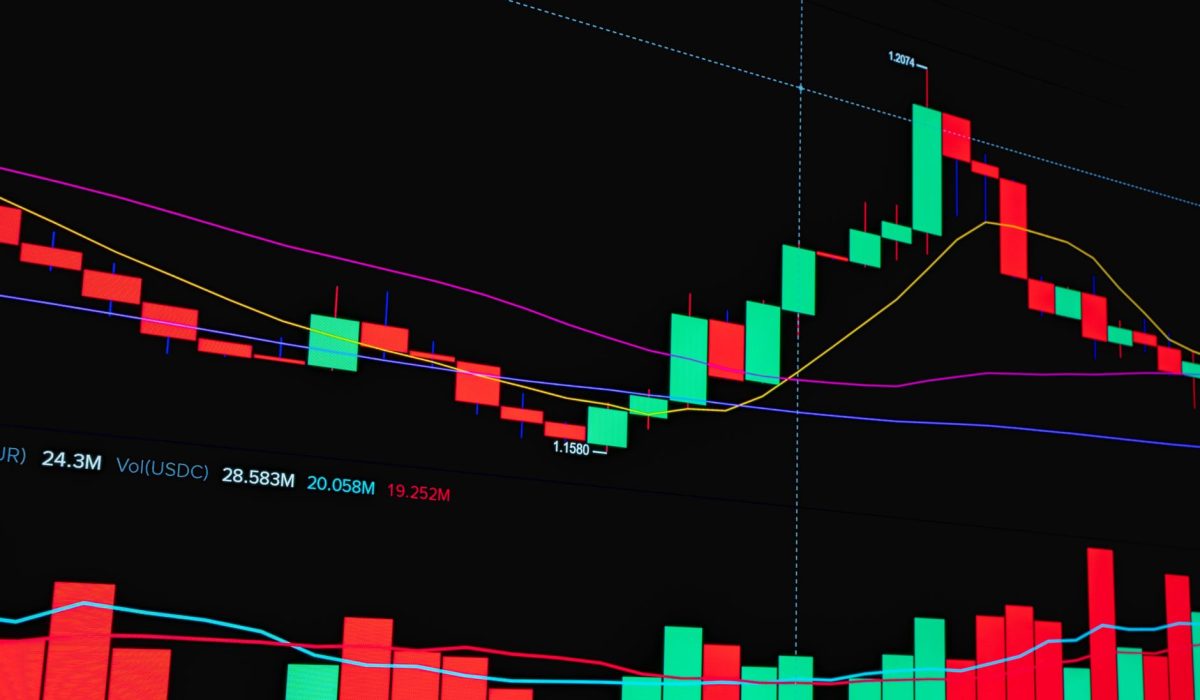
Now, let us jump over to the chaotic world of day trading. If you are messing around on a brokerage app, the S&I Meaning shifts entirely. It stands for Stop Loss. This acts as quite literally the most important tool a trader can use. The stock market operates like a meat grinder. It will take your money in a split second. You have to pay attention.
A Stop Loss acts as your emergency brake. You tell your computer exactly when to bail out of a bad trade. Say you buy a stock at fifty bucks. You hope it goes up to a hundred. But bad news hits the wire. The stock starts crashing hard. If you set a Stop Loss at forty-five bucks, the computer automatically sells your shares. It triggers the second the price drops to that number.
You lose five bucks. But you do not lose fifty bucks. Human beings are deeply emotional creatures. They will watch a stock fall to absolute zero. They sit there praying for a magical bounce. The computer does not pray. The computer just executes the firm order. Day traders who refuse to use this tool usually end up crying. They blow their entire life savings. It provides pure financial survival.
- Why traders absolutely need to use this tool:
- It completely removes human emotion and panic from the trading process.
- It allows you to walk away from the glowing screen and actually sleep.
- It prevents a single bad news headline from destroying your portfolio.
Beating The Clock On The Statute Of Limitations
Let us walk out of the bank and into a quiet courtroom. Lawyers use these exact same letters. They use them to talk about the Statute of Limitations. This acts as a massive legal wall. It serves as a ticking clock on justice. The law says you cannot wait forever to sue somebody.
If a bad contractor ruins your new kitchen, you cannot wait fifteen years to complain. You cannot drag them to court a decade later. The rules demand that you act fast. You must sue while the evidence is still fresh. Debt collectors absolutely hate this rule. If you max out a credit card and vanish, the collector faces a strict deadline. They only have a few years to sue you.
In some states, it is three short years. In others, it stretches to six. Once that clock runs out, the debt dies legally in court. They can still call your phone. They can send annoying letters. But a judge will throw their official case right out the window. This rule keeps the local courts from getting clogged with ancient history. Witnesses forget important things. Paperwork burns in random fires. The law forces people to fight their battles today. Otherwise, they must move on with their lives completely.
Taking Business Global With Spanish Company Tags
If you ever decide to pack up your life, you might move overseas. If you start a business in Madrid, you will see S.L. painted on every storefront window. In the Spanish-speaking business world, this stands for Sociedad Limitada. It acts as the exact equivalent of an LLC in the United States.
It translates directly to a limited liability company. It serves as the ultimate shield for a small business owner. Running a business is completely terrifying. If your tiny restaurant goes bankrupt, the bank will try to take everything. They want your money. But if you set up a Sociedad Limitada, you get protection.
There is a thick concrete wall between your business money and your personal money. If the business dies, your personal house is safe. Your kids' college funds remain completely untouchable. The business simply folds up. You walk away with empty pockets but a safe, warm home. It is the smartest way to operate any company. No one should ever run a high-risk business under their own personal name. The legal risks are just completely insane.
Flipping Real Estate For Quick Cash Flow
Let us look at the high-stakes game of corporate real estate. In massive boardrooms, S stands for Sale and Leaseback. This is a very clever magic trick. Massive companies use it all the time. Imagine a giant retail chain. They own a hundred massive warehouse stores. The physical buildings are worth billions of dollars. But the company is currently cash-poor.
They desperately need money to build a new website. They need to hire more workers. They cannot just sell the stores and close down. That would kill the entire business completely. So, they execute a Sale and Leaseback. They sell the physical buildings to a massive real estate investor.
They get a giant mountain of cash deposited into their bank account that same afternoon. But here is the catch. They immediately sign a twenty-year lease. They rent the exact same buildings back from the new owner. The regular customers never even notice the big change. The store stays open. The cash registers keep ringing. The retail chain gets the cash they desperately need. The real estate investor gets a guaranteed rent check every month for two decades. It acts as a brilliant corporate maneuver.
Lending Out Shares To Make Extra Passive Income
There is one more tricky financial use for these tiny letters. Deep in the mechanics of the stock market, S means Securities Lending. This sounds incredibly boring. But it is exactly how massive hedge funds make hidden millions. Big pension funds own millions of shares of a stock. Those shares just sit there in digital vaults. They gather digital dust.
But short-sellers desperately need to borrow those exact shares. They want to make their own risky bets against the stock market. So, the giant funds lend out their shares to the risky traders. They charge a strict rental fee. It is literally like renting out an empty room in your own house.
The risky trader borrows the stock. They pay the daily fee. They try to crash the stock price. The massive fund does not really care if the price crashes or rises. They are just happily collecting the rental fee every single day. This creates massive passive income. It exists as a shadowy part of Wall Street. Normal retail investors rarely see it happen. But it provides the necessary grease that keeps the entire stock market machine moving fast.
Mastering The Alphabet Soup Of The Finance World
The S&I Meaning perfectly shows how complex the adult world really is. One tiny abbreviation holds massive, changing power. It can describe a ruined bank from the 1980s. It can save a day trader from losing ten grand on a random Tuesday morning. It can shield a Spanish bakery from a brutal, business-ending lawsuit.
It can protect a tired consumer. A zombie debt collector calling after ten years gets blocked entirely. You simply have to read the room. If someone wears a sharp suit and talks about a contract, it is the statute clock. If they sweat over a red computer monitor, it is the stop order. Knowing the strict difference stops you from looking foolish in important meetings.
The finance industry loves to use heavy jargon. They do this to keep outsiders feeling dumb and confused. When you learn their secret language, you take the power back. You can navigate your own money with real confidence. Do not let a few random letters intimidate you. Protect your cash like a pro.
FAQs
What is a Savings and Loan association?
It acts as a community-focused financial group. They take local savings deposits and use that money to give out home mortgages.
How does a Stop Loss order protect my money?
It works as an automatic trigger. It sells your stock when the price drops to a specific level, preventing total financial ruin.
What does the Statute of Limitations mean for old debt?
It means debt collectors only have a specific number of years to legally sue you. After that, the court throws their case out entirely.
Why do Spanish companies use S.L. in their names?
It stands for Sociedad Limitada. This legal tag protects the business owners from losing their personal money if the company goes bankrupt.